

Union Pacific Lawsuit Settlements
Union Pacific may be able to help you if you have been victimized by identity theft. Union Pacific will cover certain compensation damages in a streamlined arbitration process.
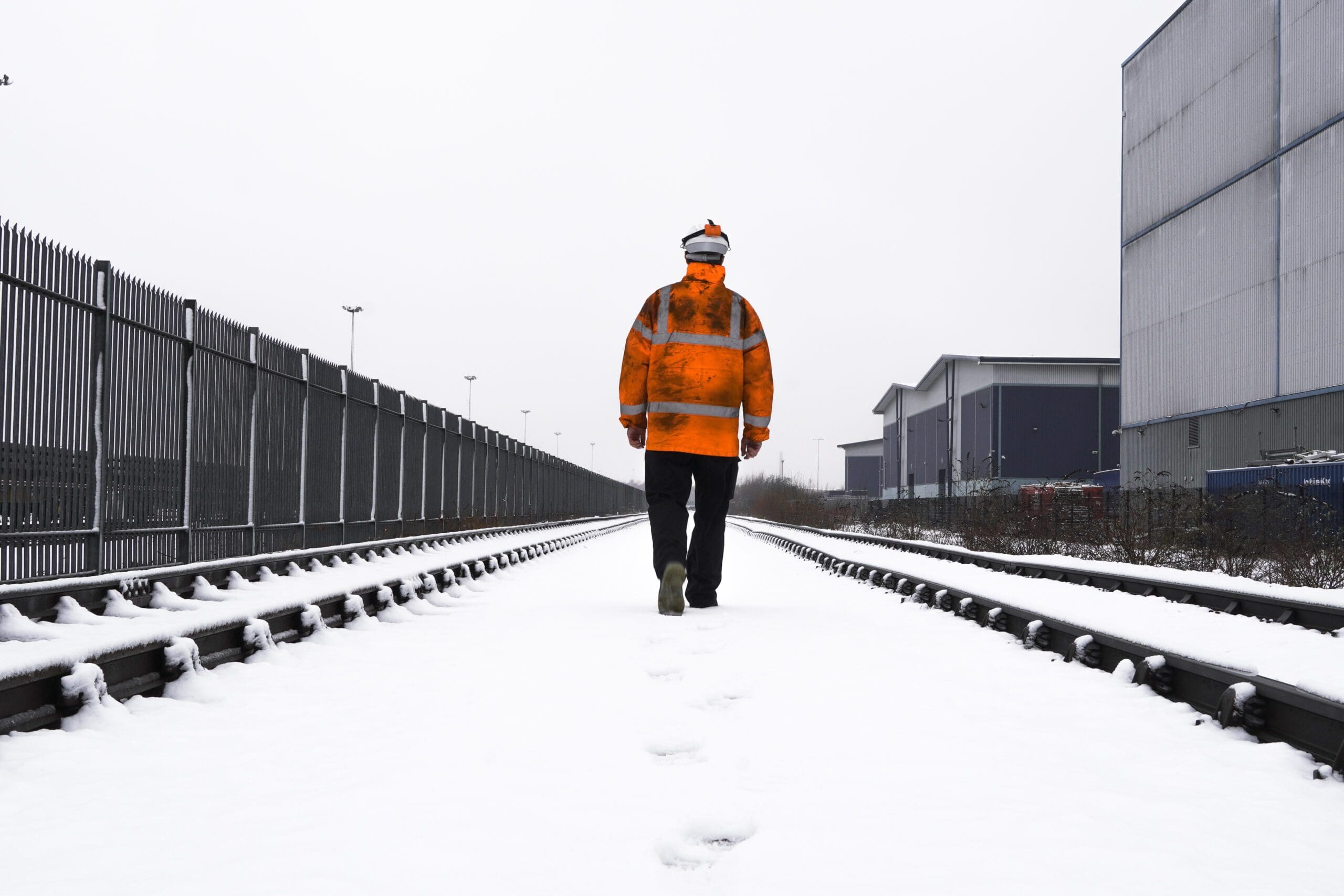
After being struck by trains in downtown Houston, Texas in 2016, A Texas woman received $557 million in damages. She was required to undergo leg surgery and several fingers removed.
Settlements in Class Action
Union Pacific usually settles with a smaller group of employees and not the entire company. This is a great thing because it allows individuals to obtain compensation for lost wages and other forms of financial recovery, and also learn from their mistaken mistakes. Settlements can also increase job satisfaction and lower employee turnover, which can help boost the bottom line during the recession.
The Federal Trade Commission administers some of the largest class action settlements. This agency is accountable in enforcing fair labor laws. The settlements are usually coupled with a large-payout bonus or lump sum payment to the participants in the class. Certain payouts are made to people who have lost their jobs in larger jobs. Others are used to pay for administrative expenses like legal fees and court costs.
Finally, some of these settlements involving class actions also include free training or seminars, in which participants can be educated about their rights and obligations. This is beneficial for both parties, as it helps employers know their obligations and provide employees the tools they require to navigate the application process.
These types of settlements are likely to last for a long time. A lawyer with experience in this area in class action cases is the best way to determine if a settlement in a class action lawsuit is the right one for your situation.
Employment Law Settlements
Union Pacific lawsuit settlements give employers the chance to settle discrimination in the workplace without having to file a lawsuit. These settlements usually comprise back pay to employees who were wronged, civil sanctions and training of employees about the law, and other remedial measures.
Employers are not allowed to retaliate against workers for reporting illegal employment practices or discrimination at work under the Immigration and Nationality Act (INA). Employers are not allowed to deny work to legally authorized immigrants such as asylees and refugee workers, simply because they are citizens of a country which is not their own.
IER has investigated a number of instances of discrimination based on immigration by employers, and has reached settlements with employers resolving allegations that they violated anti-discrimination laws of the INA. These settlements usually involve employers who were hiring workers and asking them to produce specific documents establishing their employment eligibility which the IER concluded was discriminatory.
Employers were also reluctant to accept new documents proving the employee's suitability for employment regardless of whether the employee had previously presented them. This was discriminatory, according to IER. These settlements typically require the employer to pay a civil penalty, give back payments to an asylee, or lawful permanent resident who was denied employment, and undergo training provided by the Department of Justice's Office of Special Counsel on their obligations under the INA.
A company in Rome, New York agreed to settle an allegation with IER that it discriminated against an asylum-seeking worker by not referring her for employment based on her citizenship or immigration status. The company must pay an amount of civil penalties and make its employees aware of the requirements with U.S.C. Section 1324b, and to be subject to Department of Labor monitoring for 3 years.
On November 7 on the 7th of November, 2018, IER reached an agreement with MJFT Hotels of Flushing LLC, which manages the Hyatt Place Flushing/Laguardia Airport hotel, to resolve a dispute that claimed it discriminated against a worker-authorized immigrant in its hiring process. The settlement requires MJFT to pay an amount of civil penalties, train relevant employees on the requirements of 8 U.S.C. Section 1324b. The company is required to submit three-year departmental monitoring and reports and also amend its policy on the exclusion of work-authorized immigrants applicants.
Product Liability Settlements
Union Pacific is a major railroad with 32,000 route miles, which transports products including food, chemicals, coal, metals and minerals, intermodal transport, and automobiles. In 2011, the company made $16.1 billion in profit.
Its safety rules state that anyone who has more than a slight risk of "sudden incapacitation" is not allowed to be employed by the railroad. The lawyers for the railroad are arguing that these strict rules are designed to protect workers and the public from injuries and environmental damage that can result from accidents or derailments. But former employees are claiming that the company is defying the advice of doctors and making its own decisions, especially after doctors have told them that their former employees are safe to work.
Union Pacific denied a custodian job to an employee with a brain tumour, in accordance to a lawsuit filed by the Equal Employment Opportunity Commission. EEOC attorney Jim Kaster told CNBC that the agency is looking into Union Pacific's conduct, which violates the Americans with Disabilities Act.
Eric Doi, the plaintiff in this case was a member of a zone group that traveled on a need-to-know basis between different states to work for railroads. He was injured when it was involved in an accident involving a rollover with another Union Pacific truck driver.
Doi claimed that Union Pacific was negligent in numerous ways, including the failure to supervise and train its employees properly. He also claimed that the railroad was unable to provide proper safety procedures and did not follow recognized industry standards. The jury awarded him damages of $557 million.
In addition to the $557 million award part of the compensation will go toward his future medical care. The court will also make an order that requires the railroad to implement measures to ensure that zone gang members are adequately trained and provided with the necessary safety equipment and procedures to operate their vehicles.
Hallman, who acted as Torres's legal counsel and sought the court's approval of the settlement in accordance with Code of Civil Procedure fn. 1 section 877.6 which stipulates that courts must approve settlements that aren't made in bad faith. The trial court decided that the settlements of both parties were in good faith, and therefore did not constitute an illegal or fraudulent act.
Medical Malpractice Settlements
Union Pacific, the largest railroad in the United States, is the subject of numerous lawsuits filed by former employees who claim that the company did not adequately protect employees from workplace hazards. These workers make up only a small percentage of the more than 30,000. However, their claims could be costly for the railroad.
In Texas the United States, a jury has handed a woman $557 million in damages after she was struck by a Union Pacific train and suffered major injuries. In addition to the damages she suffered from her injuries, she was awarded $3 million in damages for wrongful deaths.
In March of 2016 an accident occurred when a train struck the woman as she was sitting on the railroad tracks. She was severely injured and her lawsuit claimed Union Pacific of negligence.
She was also awarded a large amount of money to help with pain and suffering, along with medical bills and loss of income. Due to a severe brain injury and the leg that she was unable to walk, she is unable work.
According to the plaintiffs, Union Pacific knew about the defect in its track detector circuitry 10 months prior to the collision but failed to correct it. The defect led to warning bells and bells to delay, which led to the crash.
Moreover, the plaintiffs say that the railroad company should have offered more training to its employees in order to prevent accidents similar to this. They also insist that the company pay a $3.5million civil penalty.
Railroad Cancer Settlement Amounts was made in the case of a person who suffered kidney damage after doctors wrongly diagnosed her illness. The doctor was unable to conduct an MRI or perform blood tests. The doctor then performed surgery on her without having a complete understanding of the problem with her, causing permanent kidney damage.
Railroad Cancer Settlements involved a man suffering serious injury when his knee was injured during an accident at work. Although Railroad Cancer Lawsuit Settlements was able get a part of his earnings back, the injury to his body and career was serious. Additionally, he needed undergo surgery in order to repair his knee.